

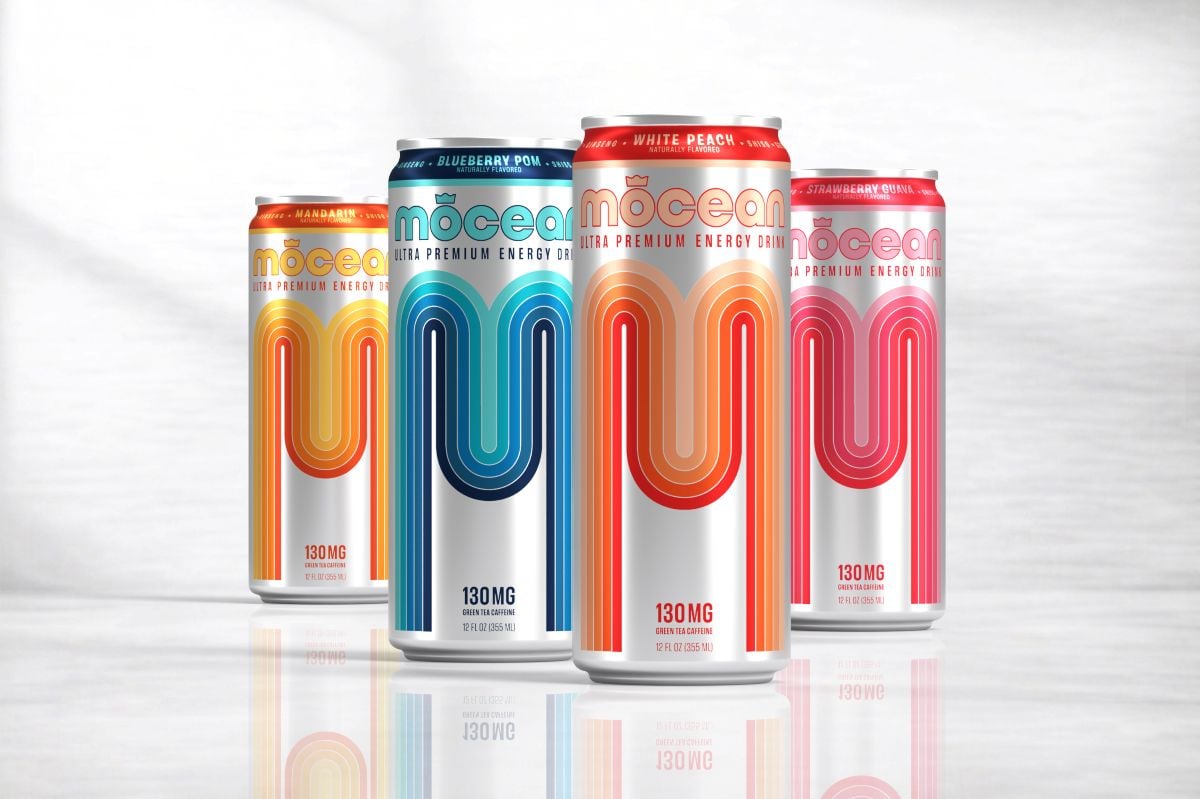
KANSAS CITY — Consumers want more from every sip they take today. Beverages no longer quench thirst and help one stay hydrated, they also play active roles in aspirational health and longevity.
“Consumers are asking ‘what else is in there,’” said Mayuresh Bedekar, senior director of global product strategy-bioactives and dairy nutrition for Glanbia Nutritionals. “They are asking for more diversified offerings to fit their needs, such as protein and peptides for muscle health support during GLP-1 medication journeys or performance ingredients like creatine and branch chain amino acids (BCAA) with nootropics for brain health and cognition.”
Tony Vieira, chief executive officer and co-founder of Calibri Brands, manufacturers of the functional beverage brand Mocean, said, “Every beverage in our fridge needs a resume. It comes down to intentionality. We are looking for small, friction-free ways to integrate wellness into our daily routines.”
Fiber-enhanced beverages are a growing category. But not all fibers are appropriate for aqueous systems.
“Soluble corn fiber offers benefits that extend beyond digestive health,” said Amanda Sia, senior technical service account manager, Tate & Lyle. “Growing research highlights its broader potential, including support for healthy blood glucose responses after meals and bone health through calcium absorption and retention.”
Richard LaBonté, head of marketing-food and nutrition Americas, Roquette, said, “Our fiber ingredients have clinically demonstrated prebiotic effects, helping to nourish beneficial gut bacteria and support digestive health. They have also been shown to help maintain healthy blood glucose levels by reducing post-meal glucose responses and can promote satiety, supporting appetite and weight management.”
Protein is currently the star of the functional drink space, but more protein content doesn’t automatically equal a better beverage.
“The real opportunity lies in matching the right protein to the right health benefit, as different proteins deliver different physiological outcomes,” said Sophie Zillinger Molenaar, global marketing execution lead, FrieslandCampina Ingredients. “Caseinates, for example, support sustained amino acid release, making them the smart choice for applications targeting long-lasting muscle synthesis. Whey proteins, on the other hand, are rapidly digested and absorbed, making them particularly well suited for post-workout nutrition where fast amino acid delivery is important.”
Fat is important in some functional beverages, too, especially those targeted for the youngest and oldest consumers. Many need healthful fatty acids and active nutritional lipids.
“There are those who seek meal replacement options, fitness enthusiasts and those with medical needs who rely heavily on the nutritional benefits of specialty fats and oils,” said Erhan Yildiz, customer innovation director, AAK USA Inc. “Benefits include brain function support, reducing inflammation, protecting heart health and finally balanced nutrition.”
Some of the most popular functional beverage ingredients are creatine, ashwagandha, B-vitamin blends, paraxanthine, magnesium and natural caffeine, said Ashley Kraus, consumer insights manager, Imbibe.
Another is citicoline, which helps support focus, attention, working memory and mental energy, said Maria Stanieich, senior marketing manager, Kyowa Hakko USA. It pairs well with mental support ingredients, such as lion’s mane, ashwagandha and rhodiola rosea.
“Unlike caffeine, Kyowa’s citicoline is a nonstimulant ingredient that provides natural support for cognitive function, neuroprotection and neurotransmission without the jitters,” Stanieich said. “It is completely water soluble and neutral in taste.”
Creatine — an amino acid-based compound in the body that helps produce energy for muscles and the brain — also is available as an isolated ingredient. New formats have moved creatine from supplements to familiar foods, including functional beverages.
Glanbia Nutritionals developed an encapsulated creatine monohydrate that has elevated dispersibility and stability in water compared to traditional creatine monohydrate ingredients. It does not crystallize when exposed to ultra-high temperature processing.
BioVivo Sciences offers American ginseng and natural caffeine from green tea. The ingredients lend themselves to wellness and energy beverages, said James Roza, vice president of technical services.

Mocean’s product formulation features a blend of functional ingredients, like caffiene from green tea, along with echinacea and elderberry, which are botanical extracts associated with boosting immunity.
| Photo: Mocean“American ginseng has been researched extensively for its immuno-supportive role in maintaining metabolic health and is complementary to other antioxidants and vitamin C commonly used to formulate wellness beverages,” Roza said. “Naturally derived caffeine is a better alternative to the synthetic anhydrous form that’s typically used in energy drinks. Due to the presence of other plant compounds, it sustains energy levels longer than its counterpart by providing a slower uptake.”
Natural Alternatives International produces beta-alanine, a non-essential amino acid that boosts muscle carnosine levels. Carnosine is an antioxidant the body produces in muscle, brain and other tissues that support wellness.
“The challenge is that carnosine itself doesn’t supplement well directly, so we work with beta-alanine, the rate-limiting building block the body uses to make carnosine,” said Mark LeDoux, chairman and CEO at Natural Alternatives International. “By boosting beta-alanine intake, you boost carnosine levels, providing benefits we’ve now seen across four major systems: cognitive health and mood, muscle endurance and recovery, bone integrity and heart health.”
LeDoux added that there’s opportunity to use beta-alanine with collagen or creatine for multi-system positioning, with electrolytes and caffeine for sports recovery, or with lion’s mane and omega-3s for brain-health.
“The right choice (of functional ingredients) always comes down to what the brand is trying to achieve, and increasingly that means going beyond hydration into things like focus, mood or recovery,” Kraus said. “The formulation approach changes with the ingredient and the format, but it always comes down to balancing taste, stability, solubility and processing against the finished drinking experience. You can’t formulate the functional ingredient in isolation; it should work as part of the whole system.”
Many functional ingredients bring some kind of tradeoff. There may be bitterness, astringency, earthy or metallic notes and solubility issues, for example.
Mōcean is focused on providing multiple benefits. The product’s formulation uses a blend of functional ingredients. Echinacea and elderberry, for example, are botanical extracts associated with boosting immunity.
“Perilla extract is high in rosmarinic acid,” Vieira said. “It balances the immune response by dampening overactive inflammatory pathways, ensuring host defenses react effectively without causing collateral tissue damage. Organic green tea extract is a source of clean caffeine.”
Fruit concentrates also may contribute functional nutrition, at the same time they add color, flavor and sweetness. They also provide “made with real fruit” labeling credentials.
“Cranberry concentrate, for example, contains naturally occurring vitamin C, fiber, minerals and polyphenol antioxidants,” said Seema Kedia, senior manager-strategic marketing, Ocean Spray Ingredients. “Research also suggests beverages made with cranberry concentrate may help reduce undesirable bacteria and promote a healthier balance of the gut microbiome, supporting digestive wellness.”
Cranberries are a natural source of proanthocyanidins, which have been shown to help prevent bacterial adhesion in the urinary tract. The benefit is recognized by an FDA Qualified Health Claim and the European Association of Urology Guidelines.
Biotics, including pre, pro and post, all have a home in functional beverages. Unlike most probiotics, which require refrigeration to maintain efficacy, postbiotics have application in ambient beverages.
Cargill offers a postbiotic ingredient that helps support immune and gut health. Produced through fermentation, it contains a mix of beneficial metabolites and bioactive compounds.
“Our postbiotic ingredient works particularly well in beverages that consumers already associate with health and wellness, including teas, juices, wellness shots, powdered drink mixes and sports beverages,” said Max Hintz, product line director for nutritionals-North America, Cargill. “It is inanimate, with excellent heat and pH stability across a range of processing and storage conditions.”



 English