

DENVER – New product innovation abounded at the Newtopia Now tradeshow, held Aug. 18-20. Exhibitors ranged from startups not yet in the market to established brands promoting new concepts ready for market. But as one speaker noted, there is a wide divide between being consumer ready versus retail ready.
Several brands stood out at the show. For example, early-stage brand Lil’ Melts, Austin, Texas, showcased its beef tallow cooking cubes. The cubes are intended to melt quickly, require no scooping and simplify portioning for home cooks.
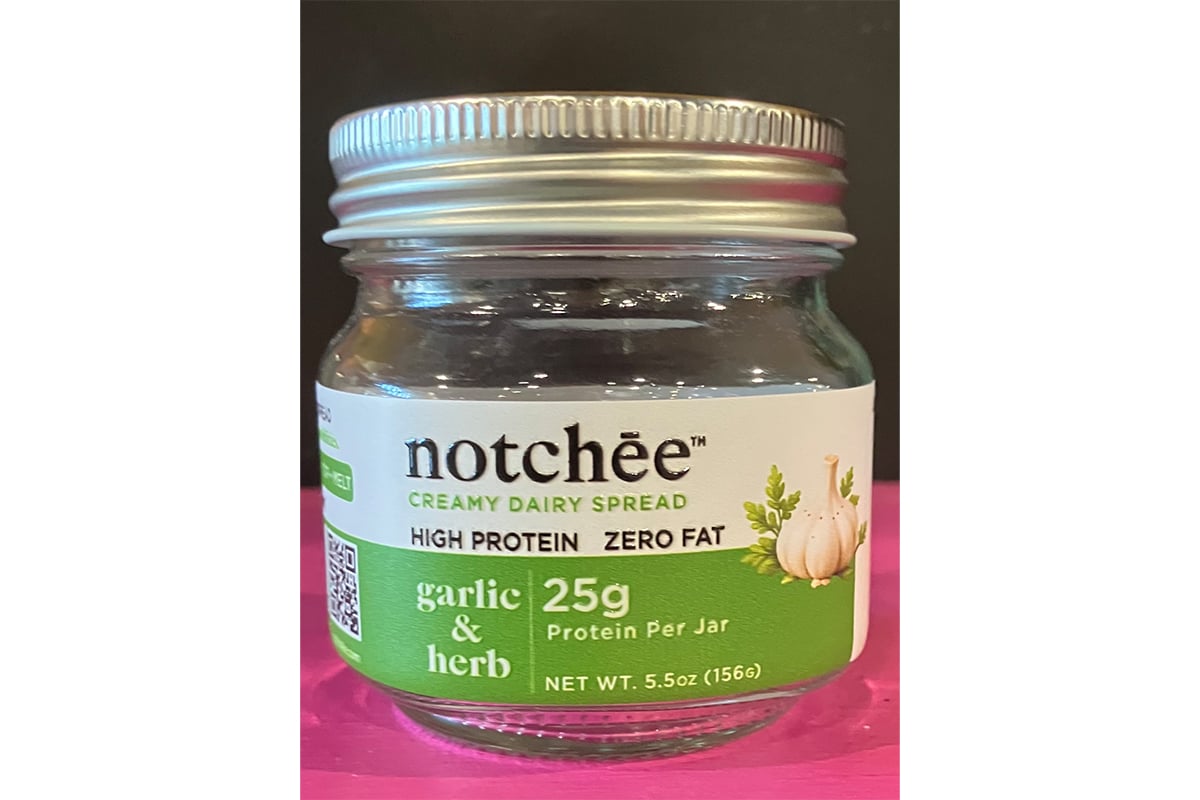
Boca Raton, Fla.-based startup Notchee introduced a dairy spread promoted as a clean label condiment featuring protein. The perishable spread comes in 5.5-oz glass jars in three varieties: original, garlic herb and date honey.
And GoodBelly from NextFoods, Boulder, Colo., a 20-year-old refrigerated probiotic drink brand debuted For a Clear Mind. The no-added-sugar beverage is formulated to support mental clarity through the gut-brain connection, the company said. It is formulated with L-theanine, green coffee extract, fruit polyphenols and postbiotics.
While each innovation is unique, that’s not enough to make it in today’s marketplace, said Brian Gould, founder and chief executive officer of TruLife Distribution, Boca Raton, Fla. Retail readiness is becoming just as important as product innovation.
Having a great product is only the first step, Gould said. Retailers are evaluating businesses, not just products. Strong ingredients, attractive packaging and consumer interest are important, but buyers also assess whether a company can consistently deliver product, maintain margins, support demand and become a reliable long-term retail partner.
“Retailers evaluate the entire business behind the product,” Gould said. “Brands need to demonstrate not only what makes their product different, but why it belongs on that retailer’s shelf, who will buy it and how the business will support a successful launch.”

Retailers are evaluating businesses, not just products when considering bringing a new product into its stores.
| Source: Sosland Publishing Co.While emerging brands have more tools to develop products, build direct-to-consumer audiences and generate online sales, achieving sustainable retail growth requires a different level of preparation and infrastructure, Gould said. For international brands, the challenge is often even greater. Companies entering the US must adapt to different retailer expectations, regulatory requirements, pricing structures and distribution economics.
“Success in another market is valuable validation,” Gould said. “But the US retail ecosystem is unique. Strategies that work elsewhere often require significant localization and preparation before they can succeed here.”
The distinction highlights the difference between being consumer-ready and retail-ready.
“Some of our most productive conversations (at Newtopia Now) were not about whether we liked a product,” Gould said. “They were about what steps would make that product truly compelling to a major US retailer.”
For some brands, the steps may involve refining pricing or positioning. For others, it may include strengthening retail materials, improving operational capabilities or identifying the most appropriate retail channel.
“The goal is not simply to get products in front of more buyers,” Gould said. “It is to ensure the right product reaches the right buyer at the right time.”




 English