

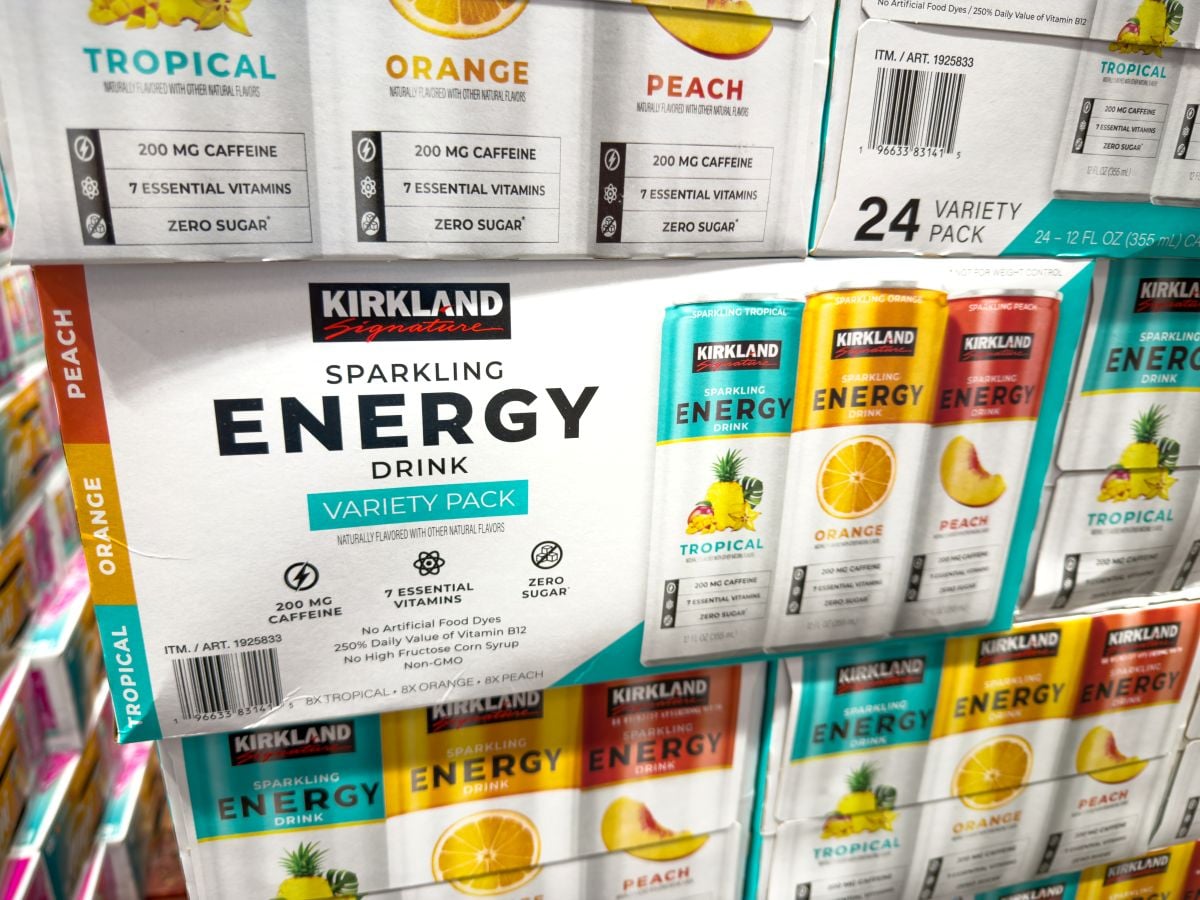
WILMINGTON, NC. — With consumers turning to functional beverages, private label manufacturers are benefiting from the trend by helping their clients succeed in the category.
FedUp Foods, one of the largest private label fermented and functional beverage manufacturers in the United States, has had positive experiences with transforming product concepts into market results.
“We’re at the forefront of charting out the innovation roadmap for functional beverages, which is a focus for our business,” said Ravi Jhala, vice president of commercialization. “It’s a very collaborative role on the commercialization side because we work all the way from concept to product launch.”
Beverages were one of food retail’s strongest growth categories in 2025, according to the “Power of Beverage” report from FMI — The Food Industry Association. Almost $295 billion in sales were recorded last year, a 3% boost from 2024.
Along with functional benefits such as hydration, protein, energy, mood support, immune health and digestive health, the report found the better-for-you qualities consumers most want from beverages are caffeine content, low or no added sugar, electrolyte content and natural flavors.
Jhala told Food Business News FedUp Foods recently worked on a regional cold-brew coffee product featuring responsibly sourced organic coffee sold in 48-oz post-consumer plastic bottles.
“We are pretty proud of it because that business has actually grown for us, and we have more than a few products that we serve through that,” he said. “It’s making products available to people at a reasonable price.”
Not to be left behind, branded beverage products are taking advantage of the favorable trend as well. In addition, foodservice operators like McDonald’s Corp. have jumped on the bandwagon by introducing cold coffee, craft sodas, refreshers and Red Bull “energizer” drinks in the United States and elsewhere.
The pivot to private label
Founded in 2008, FedUp Foods pivoted to a private label business model in 2017 and now primarily is focused on kombucha, prebiotic and probiotic soda and, since last year, cold-brew coffee.
The timing of the shift has been fortuitous since private label volume growth was highest for the first half of 2026 in the beverage and refrigerated categories, according to the Private Label Manufacturers Association.
Private label sales in the United States hit $330 billion last year, according to the market researcher Circana. That total was 24% of retail food and beverage dollar share in the country, which was up 0.4 percentage points from 2024.

Private label sales in the United States hit $330 billion last year, according to the market researcher Circana.
| Photo: ©JAMMER GENE – STOCK.ADOBE.COMYounger consumers are helping to drive the private label trend by their interest in product transparency and by being less brand loyal, Jhala said.
“They’re not necessarily seeking out brands as other generations do,” he said. “This is one thing helping private label brands rise.”
A survey conducted by FMI — The Food Industry Association found millennial and Generation Z shoppers are influencing the increase in private label purchases. Fifty-nine percent of Gen Z and 53% of millennials said they had increased their private label purchases in the past year, compared with 49% of shoppers overall.
Private label innovation
Private label brands benefit by being able to offer retailers the product innovation and variety today’s consumers are looking for, Jhala said.
“We definitely can do agile manufacturing and conversion of consumer insights to launch premium products faster compared to what legacy brands can do,” he said.
The company’s private label clients also don’t shy away from putting limited-time brands on the shelf, which he said is another advantage.
“Legacy brands take much more of a time commitment to pursue that,” Jhala said. “The cycle time for a private label brand to work directly with a retailer is much faster. That’s what makes private label brands out.”
Nurturing the soil
FedUp Foods is “one of the companies that believes in values-oriented business,” Jhala said.
As a Public Benefit Corporation, it must factor social and environmental goals into its business decisions. The company also prioritizes working with certified partners, including suppliers holding B Corp status.
Jhala said FedUp Foods applies values-based sourcing and literally nurtures the soil from organic inputs for tea and kombucha.
“By being a responsible manufacturer in the communities where we operate, we nurture the community soil as well,” he said.
The third way is by “making good food we actually make accessible to more people,” he said. “Through the private label system we operate in, we are able to do that by working directly with retailers on their brands and making products accessible at a good price point.”
Jhala said he thinks functional beverages align well with private label because people want novelty and to know about the latest flavor trend, plus they want the functional benefits of clean energy, gut health and immunity.
“As long as you can deliver this functionality through the beverage by keeping them tasting good, I think that’s what makes private label more exciting,” he said. “We are definitely enjoying this moment.”




 English